HONORING FATHER’S

Today, as we celebrate Father’s Day, we reflect on the importance of fatherhood as ordained by God Himself. Fathers play a crucial role in the family structure and in the spiritual development of their children. Let’s get into God’s Word to understand the significance of fatherhood and how we can honor fathers today.

Ephesians 6:2-4 (KJV) Honour thy father and mother; (which is the first commandment with promise;)
That it may be well with thee, and thou mayest live long on the earth.
And, ye fathers, provoke not your children to wrath: but bring them up in the nurture and admonition of the Lord.

This emphasizes the responsibility fathers have in nurturing their children spiritually and emotionally. Fathers are to be loving leaders, guiding their families in the ways of the Lord.

Romans 4:16-18 (KJV) Therefore it is of faith, that it might be by grace; to the end the promise might be sure to all the seed; not to that only which is of the law, but to that also which is of the faith of Abraham; who is the father of us all,
(As it is written, I have made thee a father of many nations,) before him whom he believed, even God, who quickeneth the dead, and calleth those things which be not as though they were.
Who against hope believed in hope, that he might become the father of many nations, according to that which was spoken, So shall thy seed be.

Abraham, often referred to as the father of faith, shows faithfulness and obedience to God’s call. Despite challenges and uncertainties, Abraham trusted in God’s promises. His story teaches us about the importance of faith and perseverance in fatherhood.

Psalms 103:13 (KJV) Like as a father pitieth his children, so the LORD pitieth them that fear him.

God’s love for us is often likened to the love of a father. This demonstrates the depth of God’s care and tenderness towards us, mirroring the love fathers are called to demonstrate towards their children.

1 John 3:1 (KJV) Behold, what manner of love the Father hath bestowed upon us, that we should be called the sons of God: therefore the world knoweth us not, because it knew him not.

Above all, we recognize God as our Heavenly Father, who loves us unconditionally and sacrificially. Through Jesus Christ, God invites us into His family, offering forgiveness, grace, and eternal life.


As we celebrate Father’s Day, let us honor fathers and father figures in our lives. Let us pray for them, recognize them, and support them in their journey of leading and nurturing their families. May we also remember our Heavenly Father, who sets the perfect example of love and sacrifice. Let us strive to emulate His character as we fulfill our roles as fathers, guided by His Word and empowered by His Spirit.
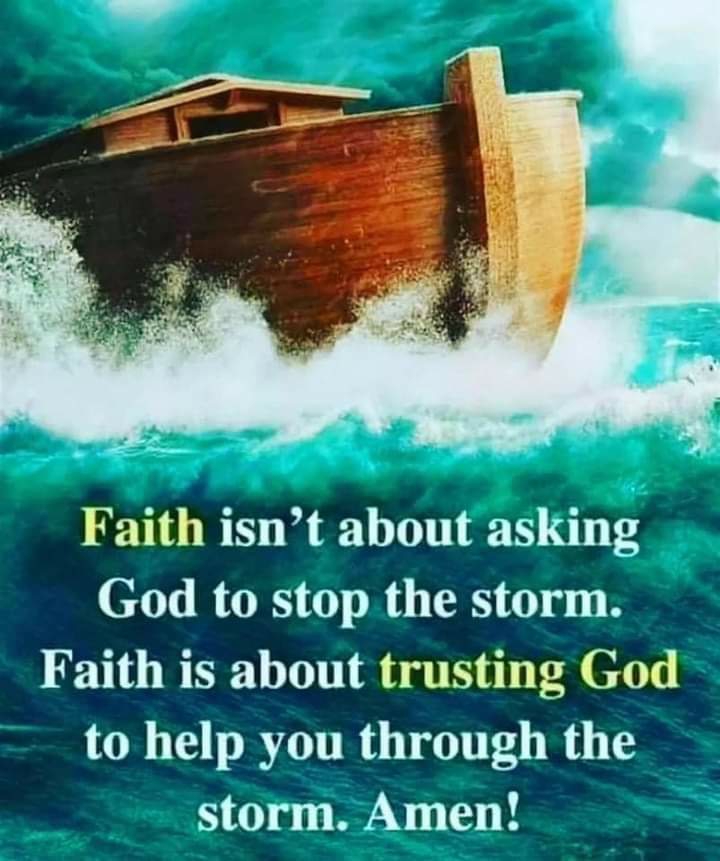
PSALMS 11

Psalms 11:1-7 (KJV) In the LORD put I my trust: how say ye to my soul, Flee as a bird to your mountain?
For, lo, the wicked bend their bow, they make ready their arrow upon the string, that they may privily shoot at the upright in heart.
If the foundations be destroyed, what can the righteous do?
The LORD is in his holy temple, the LORD’S throne is in heaven: his eyes behold, his eyelids try, the children of men.
The LORD trieth the righteous: but the wicked and him that loveth violence his soul hateth.
Upon the wicked he shall rain snares, fire and brimstone, and an horrible tempest: this shall be the portion of their cup.
For the righteous LORD loveth righteousness; his countenance doth behold the upright.

Once again David speaks of a time of personal danger. At some such times it might be wise to flee. But at other times it is better to take one’s stand and confidently trust in God. This is what David now does, in spite of the counsel of others. In times of difficulty the most important question is not, what is safe? but, what is right? what is God’s will?

When wicked men destroy the just foundations of society what can good men do? They can take their stand for righteousness, knowing fully well that God is on their side.

Here is David’s confidence in times of difficulty and danger – God knows what is going on, and is ruling all from His holy throne. There is peace in this for troubled hearts.

People of integrity who love justice as God does are the ones who will see His face. Do we not have in these words of David a suggestion of the blessed life after death for the righteous?

God is utterly righteous. He loves righteousness and hates iniquity. His face shines approvingly on those who walk uprightly, but he is angry with the wicked every day. It is impossible to please God while being unrighteous, both as to outward conduct and the character of one’s soul.

FAILING PRAYER

Psalms 66:16-20 (KJV) Come and hear, all ye that fear God, and I will declare what he hath done for my soul.
I cried unto him with my mouth, and he was extolled with my tongue.
If I regard iniquity in my heart, the Lord will not hear me:
But verily God hath heard me; he hath attended to the voice of my prayer.
Blessed be God, which hath not turned away my prayer, nor his mercy from me.

66:16-20 He has spoken to God, now he will speak to men also. It is right and fitting to declare to others what God has done for us. The substance of his testimony is this: God has been gracious and loving and has heard his prayers.

The meaning here seems to be this: if in any way he saw evil in his heart and permitted it to remain, if there was sin consciously kept there, unconfessed and unforsaken, or if any evil motives or desires were in his prayers, then God would not hear his prayer. Nothing hinders prayer more than sin kept in the heart. God does not encourage evil or hypocrisy.

God’s ears are open when we turn our hearts to Him. He desires a broken spirit and a repentant heart. But when we hold on to sin, we turn our hearts away from God, from His listening ears, and from the fullness of His grace. Let us go before Him honest, and vulnerable, and experience His transforming love.

PENTECOST

Acts 2:1-4 (KJV) And when the day of Pentecost was fully come, they were all with one accord in one place.
And suddenly there came a sound from heaven as of a rushing mighty wind, and it filled all the house where they were sitting.
And there appeared unto them cloven tongues like as of fire, and it sat upon each of them.
And they were all filled with the Holy Ghost, and began to speak with other tongues, as the Spirit gave them utterance.

“Pentecost”– means “fiftieth”. It was one of the festivals of Israel and was called also the Feast of Weeks. It came fifty days after the feast of the Passover. It was a harvest festival. It was very fitting that the Holy Spirit should come on that day and begin the great harvest of bringing people to repentance and faith in Christ.

This particular day of Pentecost when the Spirit of God came upon the waiting disciples was one of the greatest days in the whole of human history. It was a new beginning on earth in God’s work among men. A new age – the age of grace, the age of God’s Spirit – was introduced. The time when Christ’s gospel should go to the ends of the earth began that day. It is not surprising that God granted very striking signs indicating that the time had begun.

In Greek, as in Hebrew, the same word means both wind (or breath) and Spirit. So it was natural for wind to become a symbol of God’s Spirit, and fitting that the coming of the Spirit was announced by the sound of a powerful wind.

The Jews for centuries had recognized fire as a symbol of God’s presence. The fire was a sign to each disciple that God’s Spirit was present with all the others. “Tongues” of fire was an indication of what their principal work was to be. They were God’s spokesmen, and their power for speaking was God’s Spirit. The coming of the Spirit was a fulfillment of the word of the Lord Jesus.

“Filled with the Holy Spirit”– the baptism with the Holy Spirit, which Jesus had promised them, and which they now received, produced this result. Being filled with God’s Spirit is of great importance for believers. The signs which accompanied the filling on the day of Pentecost are not the important things. God may give signs or withhold them as He pleases, but He will give the Holy Spirit and His fullness to those who seek Him in faith. God nowhere in the Bible instructs us to seek for the signs that appeared then, and nowhere in the Bible does He command us to be baptized with the Spirit or to seek for that (it is important to see this), but He does command us to be filled with His Spirit.

Can a person know he is filled with the Holy Spirit if there are no signs? Certainly. He can know by faith, faith based on God’s promises. And his experience afterwards will confirm that he is filled with the Spirit – he will have power for holy living and for witness and service.

The meaning of “to speak in other tongues” as the disciples did that day. The Greek word here translated “tongues” means both physical tongues and languages. The phrase could be translated “began to speak in other languages”.

Galatians 5:22-23 (KJV) But the fruit of the Spirit is love, joy, peace, longsuffering, gentleness, goodness, faith,
Meekness, temperance: against such there is no law.

HONORING MOTHER’S

“A Mother’s Day Reflection”

Today, we come together to celebrate and honor a very special group of people in our lives – our mothers. On this Mother’s Day, let us take the time to reflect on the gift of motherhood and the profound impact that mothers have on our lives.

Proverbs 31:25-29 (KJV) Strength and honour are her clothing; and she shall rejoice in time to come.
She openeth her mouth with wisdom; and in her tongue is the law of kindness.
She looketh well to the ways of her household, and eateth not the bread of idleness.
Her children arise up, and call her blessed; her husband also, and he praiseth her.
Many daughters have done virtuously, but thou excellest them all.

Mothers hold a special place in our hearts and in society. They are often the ones who tirelessly care for us, nurture us, and love us unconditionally. They are our first teachers, our first role models, and our first source of comfort. The role of a mother is not an easy one, but it is one filled with love, grace, and sacrifice.

Just as in Proverbs 31 a woman is praised for her wisdom, kindness, and diligence, so too do we honor and praise the mothers in our lives. Whether it be our own mothers, grandmothers, aunts, or mother figures, let us take this time to express our gratitude and appreciation for all that they do.

We also recognize that Mother’s Day can be a sad time for some. Not all have had positive experiences with their mothers, and some may be grieving the loss of a mother or the loss of a child. Let us remember to offer comfort, support, and love to those who may be hurting on this day.

This Mother’s Day, let us commit to honoring and cherishing the mothers in our lives not just today, but every day. Not because we have to but because God commands it Exodus 20:12 Honour thy father and thy mother: that thy days may be long upon the land which the LORD thy God giveth thee. This is the only commandment that has a promise.

Let us show them love, respect, and gratitude for all that they have done and continue to do for us. May we seek to follow their examples of love, grace, and kindness in our own lives. To all the mothers, mothers to be and mother figures we want to say to you we love you and happy mother’s day.

Let us pray.

May these words inspire and uplift everyone here today as we celebrate Mother’s together. We pray for strength and wisdom to all mothers lord fill them with your love. Lord embrace those who have suffered the lost of a child comfort them lord. To the mothers to be keep them safe lord let them have no complications and give a safe birth. In Jesus name.
Amen.

SICKNESS

James 5:14-15 (KJV) Is any sick among you? let him call for the elders of the church; and let them pray over him, anointing him with oil in the name of the Lord:
And the prayer of faith shall save the sick, and the Lord shall raise him up; and if he have committed sins, they shall be forgiven him.

5:14 Times of sickness are the common lot of mankind, and believers in Christ are not immune from them. James tells us what to do when we are sick. It is one provision God has made for the healing of His people. It is surprising how few believers avail themselves of it. What he states here should be the common practice in all Bible-believing churches.

“In the name of the Lord”– everyone must recognize it is not their power or the power of their words or the oil that heals anyone. The Lord is the healer. It is one of His names – Jehovah Rapha

5:15 It seems clear that God does not always choose to heal His servants immediately when they fall sick. In such a case it will not be possible to pray in faith that they will be healed at once. When anyone has called for the church elders, and God chooses to heal that person, He will give faith to one or more of the elders and then restore the sick person to health.

“If he has committed sins”– he seems to be suggesting that in some cases (“if”) sickness comes as a result of the sick person’s sin, there weakness and sickness are said to be a result of God’s chastisement for certain sins.

“Forgiven”– the Lord who raises him up will forgive him the sins which led to his sickness.

Sickness is a result of our sins most of the time and other times God uses sickness to bring us closer to him and strengthen us through faith. But he is always faithful to heal us if it’s in his will.

Always remember God’s plan is great than your plans. His ways are perfect.

POOR IN SPIRIT

Matthew 5:3 (KJV) Blessed are the poor in spirit: for theirs is the kingdom of heaven.

“Blessed”– this is a translation of a Greek word meaning happy. However it does not mean here a feeling of happiness in the heart, but a happy state, a blessed condition, one that will mean at last eternal joy in God’s presence. This word is used 50 times in the Greek New Testament – 28 times in Matthew and Luke alone, 7 times in the Revelation. Twice it is used of God in 1 Timothy, and speaks of the perfection of bliss of the Eternal One. The word when used in the New Testament of people speaks of spiritual blessing, the blessing that comes to those who are in God’s kingdom and ruled by God. They have a share in God’s happy condition.

This does not mean that the blessed in God’s kingdom on earth will never know sorrow or will always experience the emotion of happiness. The fullness of their joy awaits the future. But they have a foretaste of it now, for God shares His joy with His people. True blessedness comes only when we are linked with the true God and His blessedness. The whole Bible was given that men might know of this and come to share it.

Who are the blessed in this world? The rich? The proud and powerful? Those who are self-confident and feel very good about themselves? That is the way men think, but God’s thoughts are different from theirs.

He says the blessed ones are those who are “poor in spirit”. This means those who know their spiritual poverty and are humbled before God because of it. Why are they the blessed ones? Because the kingdom of heaven belongs to them. Repentance is necessary to enter God’s Kingdom. The poor in spirit are the ones who repent. They do so because they are convicted of their sins, they see the poverty of their spiritual condition, and they know they have no righteousness, no merit to plead before God. So they humble themselves in the dust before the Lord Jesus and receive Him into their hearts and lives.

This is put first of the blessings because this is the way into God’s kingdom and the only way. And they who are in God’s kingdom, every one of them, have experienced this, and so Jesus calls them blessed. These blessed ones are not those who think highly of themselves, but those who think lowly of themselves. God puts very great value on this quality of humility.

The poor in spirit have true enlightenment – in some measure they see themselves as they really are and God as He really is. Far from thinking they are God (as some people like to do), they feel themselves to be among the worst of people and worthy of no good thing from God. Only God’s grace can produce this quality in us. We certainly do not have it by nature. Neither this nor the quality of meekness has anything to do with a natural sense of inadequacy, or timidity, or a feeling of inferiority.

It is only when we are emptied that we understand our need to be filled. It is only when we are broken that we seek to be made whole. And when we realize that we are poor in spirit, completely lacking, and helpless, we realize our need for a savior. And Jesus responds to our impoverished spirits by filling us with His Spirit and making us whole, as He calls us from the brokenness of this world to the fullness of eternal life.

LOVE ONE ANOTHER

John 13:34-35 (KJV) A new commandment I give unto you, That ye love one another; as I have loved you, that ye also love one another.
By this shall all men know that ye are my disciples, if ye have love one to another.

13:34 On the night before He died one of the things uppermost in His mind was the need of all His disciples to love one another. And He did not merely request or advise them to do so – He issued a command. This command He gave three times John 13:35, 15:12 and 15:17.

“New”– the commandment to love one’s neighbor as oneself is one of the two greatest commandments in the whole law of God. Why, then, does Jesus call His commandment “new”? He is commanding something higher and better than the law. He has created a new group of redeemed people later known as the Church. The love each member is to have for each other is something special, something beyond the love and kindness one should show to neighbors. It is a love based on Christ’s love to them. Christians are not merely to love fellow believers as they love themselves but as Christ loved them. And how did Christ love? To the uttermost, willingly giving His life for them 1 John 3:16. His was completely holy and pure love, unselfish love, unfailing love, divine love. This is the kind of love believers in Christ are to receive from God and show to others.

13:35 If Christians love one another, this will be evidence to people outside the Church and to themselves that they are true Christians, real followers of Christ. People will not be convinced of this if Christians bite and devour one another, cheat and deceive each other as so often happens.

As Christians, we have no unique identifying marks, jewelry, or manner of dress that set us apart as God’s people. Jesus instructs us to let love be our identification. When people look at a community of Christians, they should see people that are fully committed to loving, serving, and caring for each other with a love greater than anything found on earth. Let us remember our Father’s love, and let it motivate our thoughts, words, and actions.

CHRISTIANITY NOT AN EASY LIFE

2 Corinthians 4:8-12 (KJV) We are troubled on every side, yet not distressed; we are perplexed, but not in despair;
Persecuted, but not forsaken; cast down, but not destroyed;
Always bearing about in the body the dying of the Lord Jesus, that the life also of Jesus might be made manifest in our body.
For we which live are alway delivered unto death for Jesus’ sake, that the life also of Jesus might be made manifest in our mortal flesh.
So then death worketh in us, but life in you.

In these verses Paul shows the weakness of the “earthen vessels” – “hard pressed”, “perplexed”, “persecuted”, “struck down”, “death”. But he shows also God’s power at work in them – “not crushed”, “not in despair”, etc. If God’s power was not at work in these “earthen vessels”, these clay jars, they would not be able to accomplish anything and would surely be quickly destroyed.

The Christian life is not a trouble-free life. Jesus told us to expect trouble, and Paul certainly experienced it himself. Yet, God gives us the strength to withstand being pressed from every side without breaking. He gives us the wisdom and hope to see past difficulty and confusion so that we do not fall into despair. God doesn’t often remove our trouble, but He always gives us what we need when trouble comes.

WORKS OF THE WICKED

Psalms 141:9 (KJV) Keep me from the snares which they have laid for me, and the gins of the workers of iniquity.

The psalmist is pleading with God to protect him from the traps and snares that his enemies have set for him. The psalmist recognizes that there are those who seek to harm him, working iniquity and deceitfully laying traps in his path.

This verse serves as a reminder of the constant spiritual battle that believers face. Just as the psalmist faced enemies who sought to harm him, we too may encounter obstacles and challenges in our lives that threaten to ensnare us. These snares may come in the form of temptation, deceit, or persecution from those who do not have our best interests at heart.

The psalmist’s prayer for protection is a reflection of his reliance on God for deliverance. He acknowledges his vulnerability and the need for divine intervention to keep him safe from harm. This verse serves as a reminder for us to turn to God in times of trouble, seeking His guidance and protection from the snares that may be laid before us.

As believers, we can take comfort in the assurance that God is our ultimate protector and defender. He is faithful to keep us from falling into the traps of the enemy and to guide us safely through the trials and tribulations of life. By placing our trust in God and seeking His help, we can overcome the snares and temptations that seek to ensnare us, walking in the light of His truth and righteousness.

Design a site like this with WordPress.com
Get started